

Why the Barrow Towpath Stands Apart
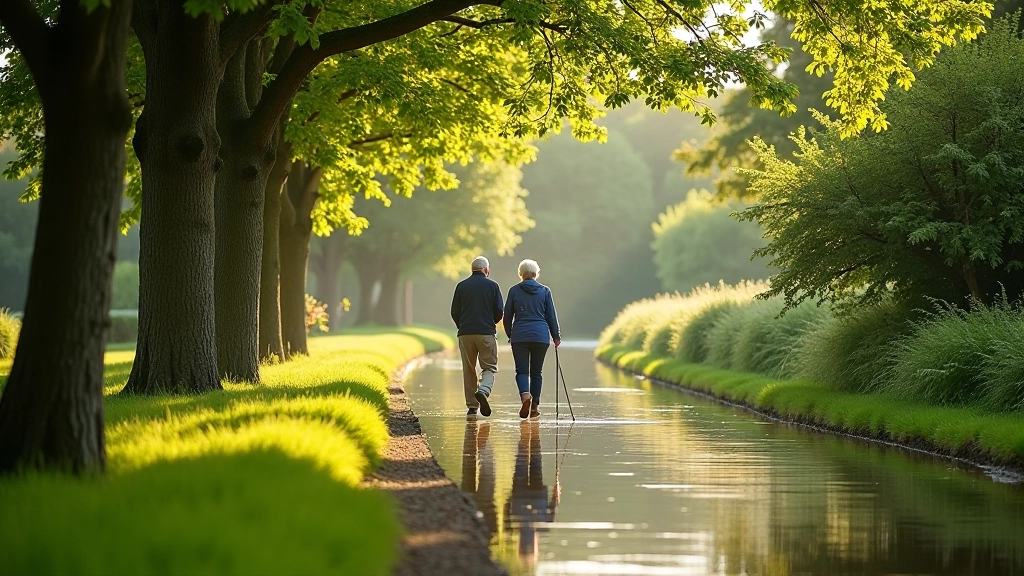
The Barrow Towpath isn't Dublin's Grand Canal. That's actually its biggest strength. You'll find fewer crowds, quieter stretches of water, and villages where you can actually stop for a proper chat without someone rushing past.
Running through Counties Carlow and Kilkenny, this 113-kilometre route follows the River Barrow from Lowtown to Waterford. It's genuinely flat — we're talking minimal elevation change — which makes it ideal if you prefer steady rambles over challenging terrain.
The Terrain: Genuinely Gentle
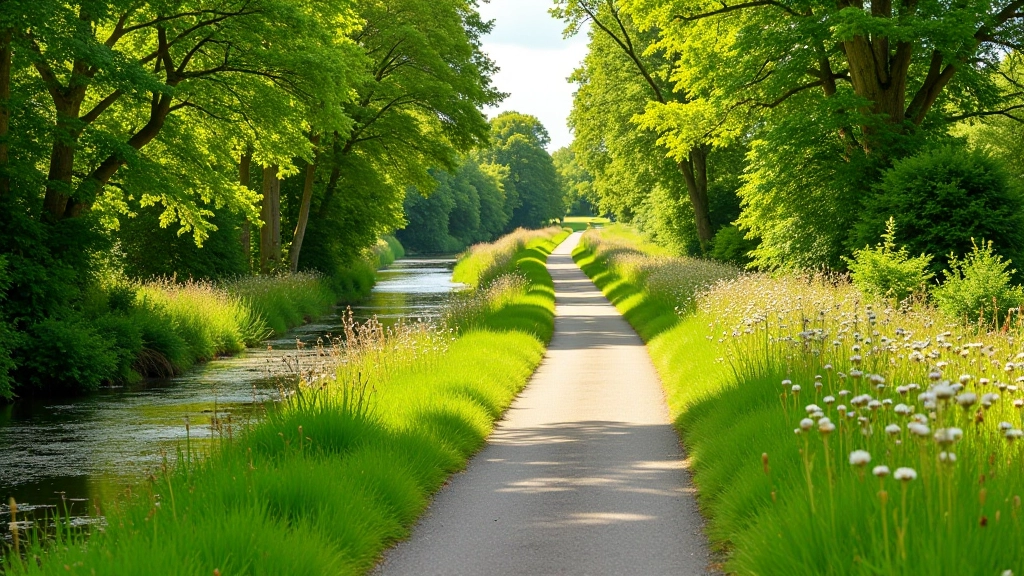
This isn't marketing speak — the Barrow is properly flat. You're walking on compacted gravel and grass, mostly shaded by mature trees. The towpath's been used for centuries by barges, so it's well-established and stable underfoot.
Most sections are between 2 and 4 metres wide. That means plenty of room if you're walking with a partner or friend. You'll pass through stretches of open water, wooded sections, and occasional farmland. Water levels vary seasonally, but the path itself doesn't flood — locals walk it year-round.
Best time? Late May through September. You'll get the longest daylight hours, wildflowers are blooming, and you won't be dealing with winter mud. Spring walks are lovely too — less crowded and the birds are nesting.
Breaking It Into Walkable Sections
You don't have to tackle all 113 kilometres at once. Most seniors we work with prefer 8–12 kilometre outings, which takes about 2–2.5 hours including stops for water and photos.
Lowtown to Vicarstown
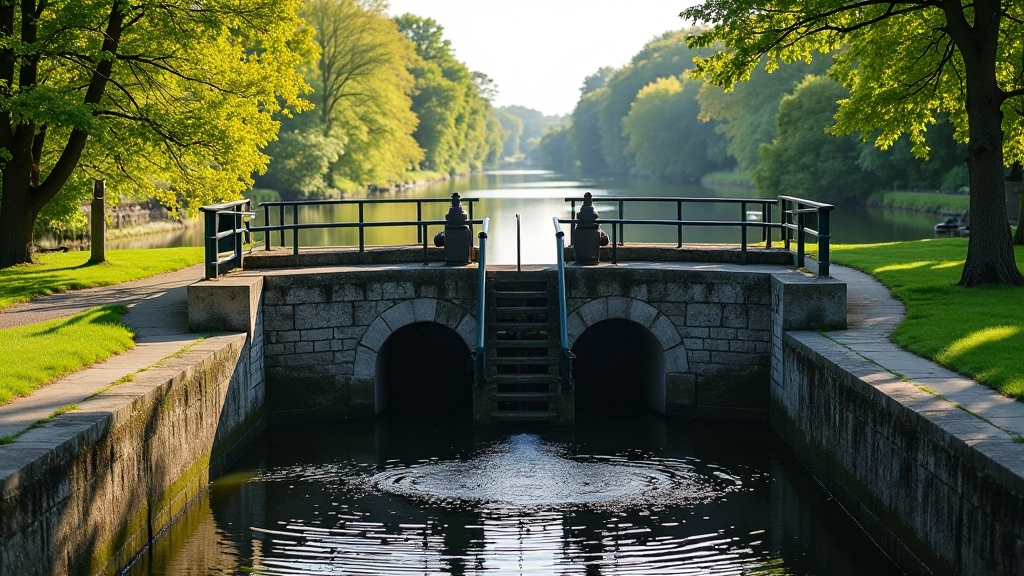
6.5 km, mostly shaded, quiet start. You'll see your first lock here. There's a small car park at Lowtown if you're driving.
Vicarstown to Carlow Town
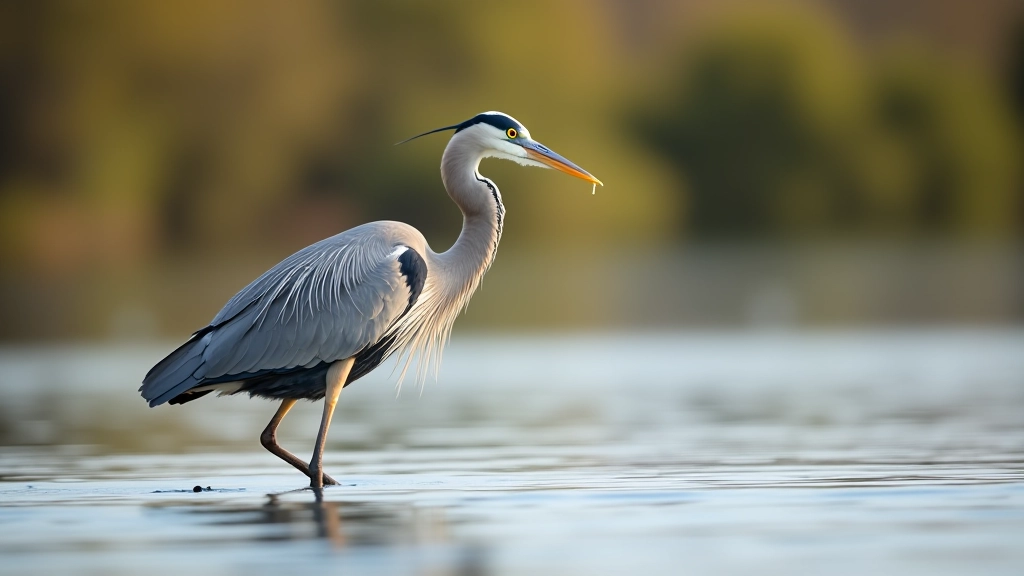
10 km through open countryside. This is where you'll see the most wildlife — herons, kingfishers if you're lucky. Carlow Town has shops and cafes for a proper break.
Carlow to Bagenalstown
9 km, slightly more wooded. The Browneshill Dolmen (a 5,000-year-old stone monument) is visible from the path if you know where to look. Worth stopping for photos.

What You'll Actually Need
The Barrow's fairly straightforward. You don't need special gear — just sensible walking shoes with grip (gravel can be slippy when wet) and weather-appropriate clothing. Here's what makes the difference:
- Water bottle: Bring more than you think you'll need. There's not much shade on some stretches and you'll dehydrate faster than on city walks.
- Sun protection: Even on cloudy days. You're walking beside water which reflects UV rays.
- Walking poles (optional): Not needed for balance on this flat terrain, but they're useful if you want to reduce knee strain over longer distances.
- Phone with offline maps: Signal can be patchy between villages. Download the route beforehand.
The path itself is well-maintained and marked. You won't get lost. But having a map gives you confidence about distances to the next village with facilities.
What You'll See (And Hear)
The Barrow's a proper working river ecosystem. You'll spot herons fishing in the early morning — they're not shy. Kingfishers flash past occasionally (brilliant blue, impossible to miss). The water's clear enough to see pike and perch if you're patient.
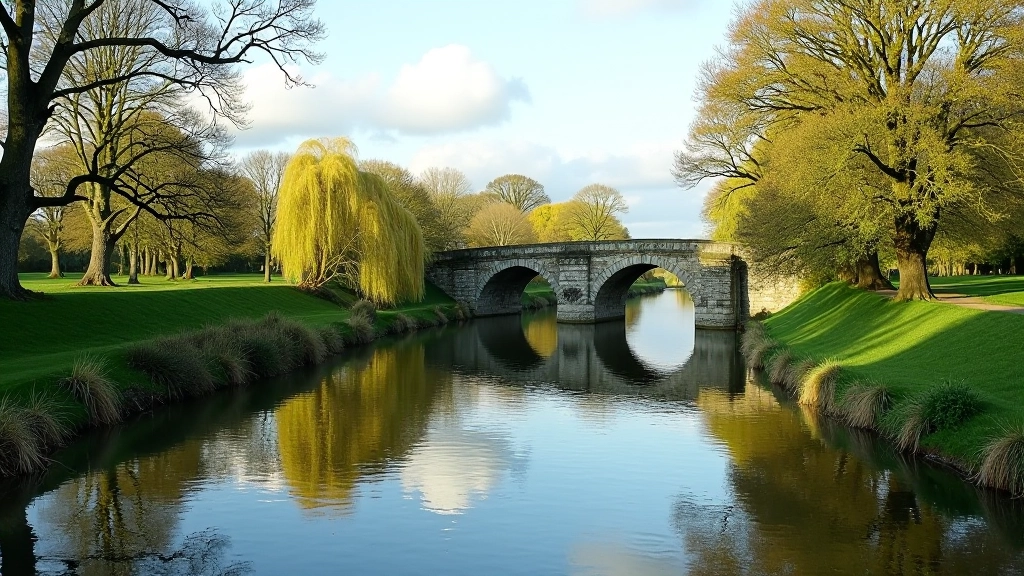
In spring, swallows nest under bridge arches. Autumn brings migrating birds. Year-round, you've got tufted ducks, coots, and moorhens doing their thing. The woods are full of songbirds — wrens, robins, blackbirds — which makes the whole experience genuinely peaceful rather than just quiet.
You're unlikely to see otters, but otter signs (droppings, slides on the bank) aren't uncommon. It's the sort of walk where you actually notice nature instead of just passing through it.
The Barrow: Proper Walking, No Drama
This towpath isn't trendy. You won't see it on Instagram a lot. That's entirely the point. It's the kind of walk where you can actually have a conversation, watch the water, notice the seasons changing, and feel like you've had a proper day out without having worn yourself out.
The terrain's genuinely suitable for most fitness levels. The villages are spaced so you can build a walk around your energy levels. And the river itself — it's been there for thousands of years, unhurried and patient. Walking alongside it, you start moving at the same pace. That's when you know you've found a good route.
Whether you're doing 5 kilometres or 15, doing it once a month or every week, the Barrow's got room for you. It's not about ticking off kilometres — it's about having somewhere genuinely pleasant to spend a morning or afternoon.
Information Disclaimer
This guide is informational only and based on current conditions as of May 2026. Walking conditions, access points, and facilities can change. Always check local resources before visiting. We recommend consulting with local walking groups or visitor information centres for the most up-to-date details about trail conditions, weather patterns, and available facilities. If you have health concerns or mobility questions, discuss them with a healthcare professional before undertaking any walking activity.
Explore More Walking Routes
Grand Canal Way: The Complete Walking Guide for Seniors
Explore 56 kilometres of Dublin's most iconic canal. We break down the best sections, facilities, and how to avoid the crowds.
Royal Canal Greenway: Easy Walking Routes Near Dublin
The newly restored greenway offers 44 kilometres of scenic walking. Find out which sections work best for your fitness level.
Practical Tips for Safe and Enjoyable Canal Towpath Walking
Everything seniors need to know about walking Ireland's canals safely — from proper footwear to hydration strategies.