Why Canal Towpaths Are Perfect for Seniors
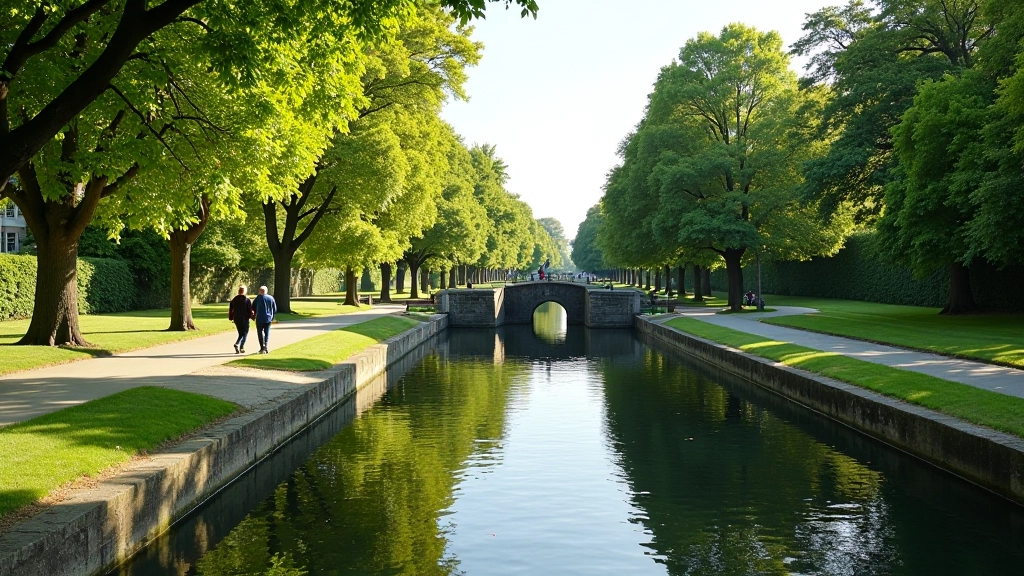
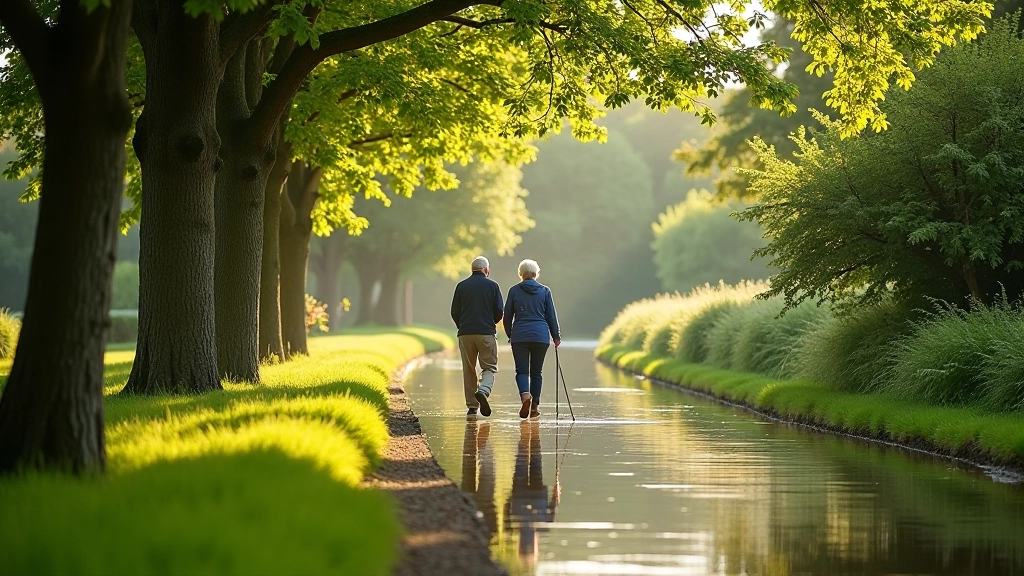
Canal towpaths offer something special for walkers in their sixties and beyond. The paths are relatively flat, the scenery's consistently beautiful, and there's something deeply peaceful about walking alongside water. But there's a difference between a pleasant stroll and a safe, truly enjoyable day out. It's the preparation that makes the real difference.
We've worked with hundreds of seniors on Irish canal routes — the Grand Canal, Royal Canal, Barrow Towpath — and we've learned what actually works. Not theoretical advice, but real tips from real experience. This guide covers the practical things you need to know before you head out, whether you're tackling a 5-kilometre section or going for a full day's walk.
Footwear and Foot Care: The Foundation
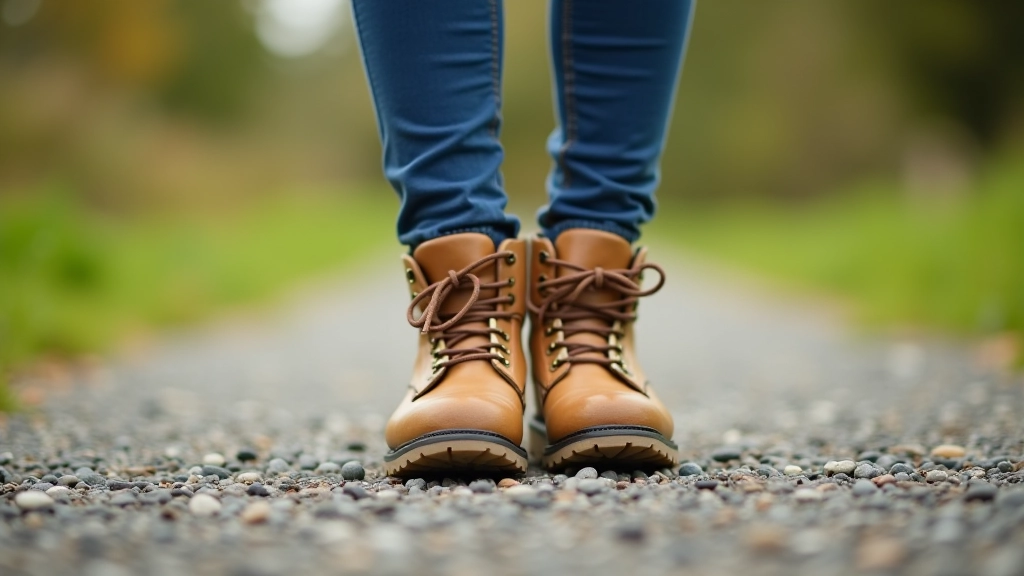
Your feet carry you for the entire walk. Get this wrong and you're miserable from kilometre two onwards. The towpath isn't always perfectly paved — there's often gravel, uneven sections, and the occasional root or loose stone. You're not climbing mountains, but you do need proper support.
Invest in walking shoes with good arch support, not casual trainers. Merrell, Salomon, and Lowa make excellent senior-friendly options — cushioned soles, reinforced ankles, and grippy soles that won't slip on damp surfaces. A lot of people underestimate how important grip is. Canal towpaths can be wet even when it hasn't rained — morning dew, spray from locks, and shaded areas stay damp for hours.
Before You Walk
- Break in new shoes at home first — at least 2-3 short walks
- Wear moisture-wicking socks, not cotton (Smartwool or synthetic blends)
- Bring blister treatment and pain relief in your bag
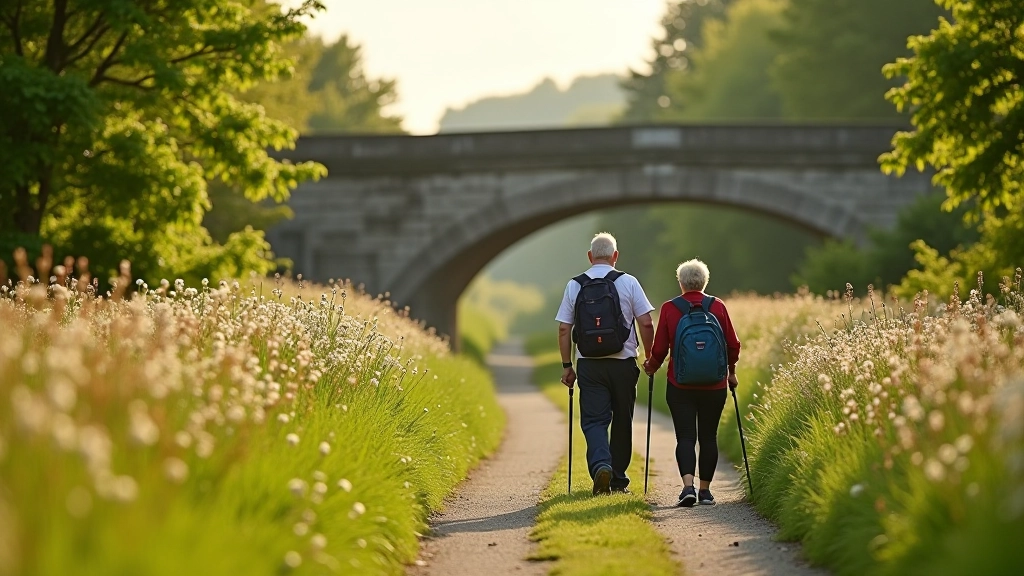
- Consider trekking poles for extra stability on uneven sections

Hydration and Energy: Plan Your Breaks
This is where people get it wrong. You're not thirsty yet, so you don't drink. Then by kilometre 8 you're exhausted, headachy, and every step feels harder. Dehydration creeps up on you, especially in older adults — your thirst mechanism isn't as sharp as it was at 30.
Bring 500ml of water minimum for a 5km walk, 1 litre for anything longer. Drink small amounts regularly — a few sips every 15 minutes — rather than waiting until you're parched. Don't rely on finding water along the route. Some sections have cafés and pubs (Grand Canal has plenty), but others don't.
For food, bring something with natural sugars and protein. A banana with a handful of nuts, a small cheese and crackers pack, or energy bars work well. You're not running a marathon, but your body burns energy walking steadily for 2-3 hours. Eating a small snack every 90 minutes keeps you steady and prevents that sudden energy crash.
Weather Awareness and Seasonal Adjustments
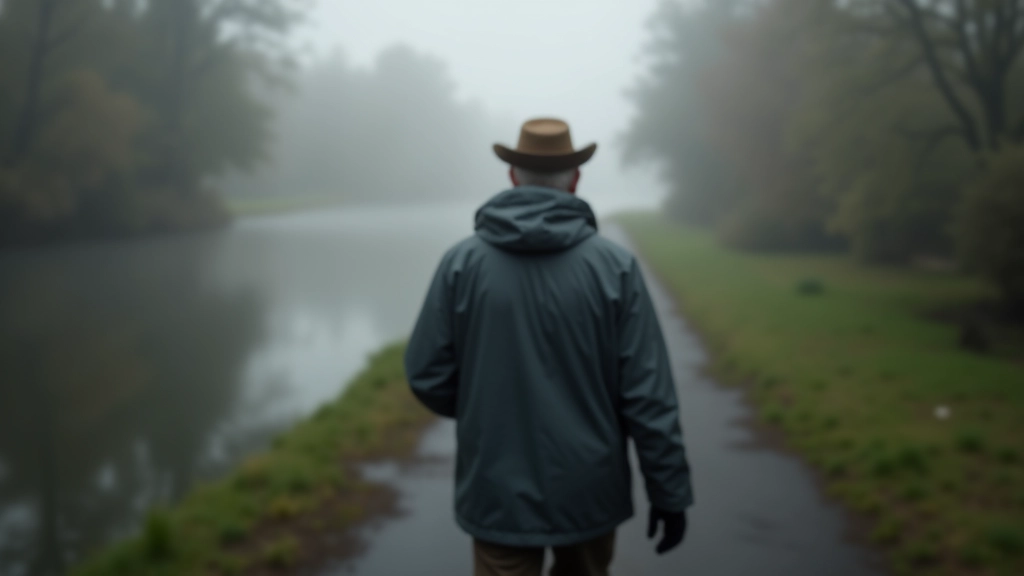
Irish weather is unpredictable — you probably know this already. The thing about canal walks is that you're exposed. There's no forest cover like you'd get on mountain trails. Wind across open water can feel sharp, and you're often several kilometres from shelter.
Check the forecast the night before, but also check again in the morning. Conditions can shift. Even if rain's not predicted, bring a lightweight waterproof jacket — not for heavy downpours, but for the drizzle and damp that's common. In summer, bring a hat and sunscreen. You don't realize how exposed you are until you're sunburned from 3 hours of walking with water reflecting the sun.
Spring & Summer
Start early (7-8am) to avoid peak heat. Bring hat, sunscreen SPF 30+, and extra water.
Autumn & Winter
Mornings are darker. Bring a headlamp or wear bright colours. Extra layers matter — wind chill drops temperature fast.
Navigation: Know Where You're Going
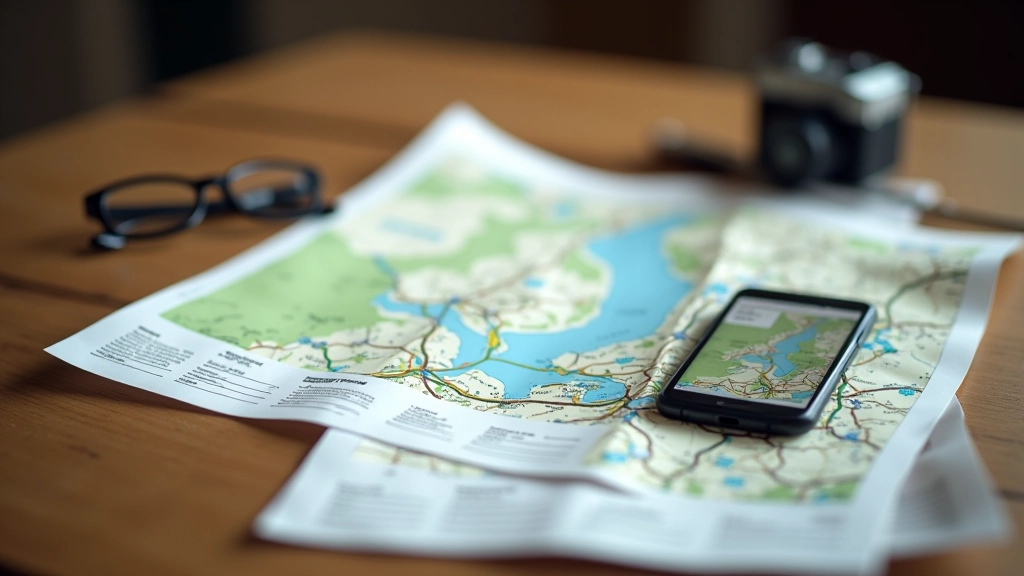
Canal towpaths are straightforward — you follow the water. But the difference between a relaxing walk and an anxious one is knowing exactly where you're heading. Don't wing it. Download an offline map on your phone before you leave (Google Maps, AllTrails, or the Irish canal guides have GPS routes).
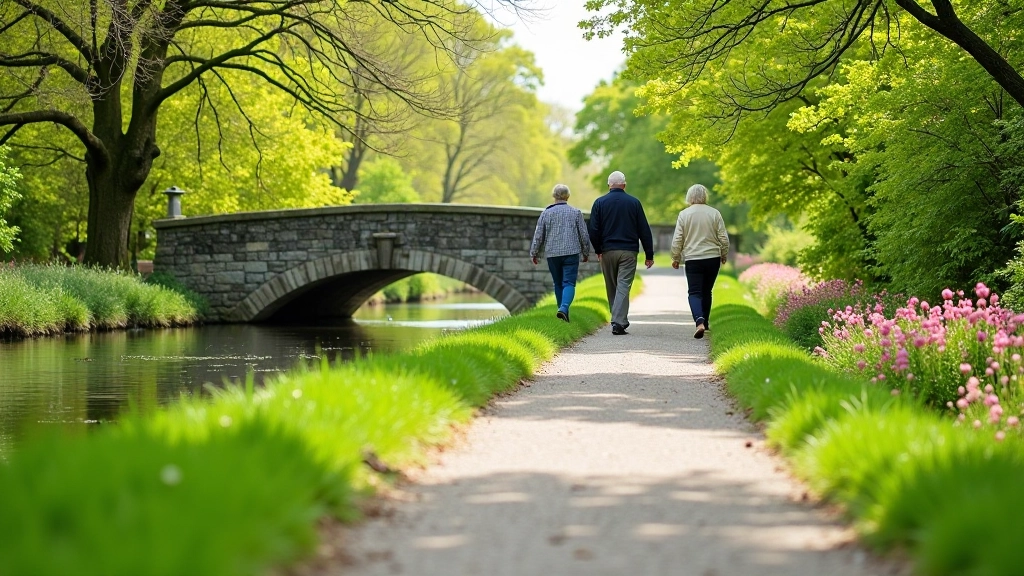
Know your turnaround point. If you're doing a 10km walk, that means 5km out, then back the same way. Mark a landmark — a specific bridge, lock, or building — as your halfway point. When you reach it, you turn around. This removes guesswork and prevents the "just a bit further" mentality that leaves you exhausted.
Tell someone where you're going and when you expect to be back. Not to be dramatic, but in case of injury or emergency, someone knows where to look for you. A simple text to a family member saying "Heading to Royal Canal from Newcomen Bridge, back by 3pm" takes 20 seconds and makes a real difference.
The Real Secret Is Preparation
There's nothing complicated here. Good shoes, water, a plan, and weather awareness. These five things account for 95% of what makes a canal walk genuinely enjoyable versus something you tolerate and never do again. The towpaths themselves are beautiful — they don't need you to push yourself to exhaustion to be worth your time.
Start with shorter sections. The Grand Canal has 56 kilometres, but you don't need to do it all in one go. Pick a 5km section, nail the preparation, and enjoy it. That's success. You'll naturally extend your range once you've got the rhythm of it. And you'll find yourself planning the next walk before the current one's even finished.
Ready to explore more canal routes?
Browse All Canal WalksSafety Disclaimer
This article provides general information about canal towpath walking for educational purposes. Individual circumstances vary — fitness levels, medical conditions, and local conditions all affect what's appropriate for you. Always consult with your doctor before starting a new walking routine, especially if you have existing health concerns. Canal towpaths can be slippery, uneven, and near water. Take appropriate precautions, wear proper footwear, and walk with a companion when possible. These tips are suggestions based on common experience, not professional medical or safety advice.