Why the Grand Canal Way Works for Seniors
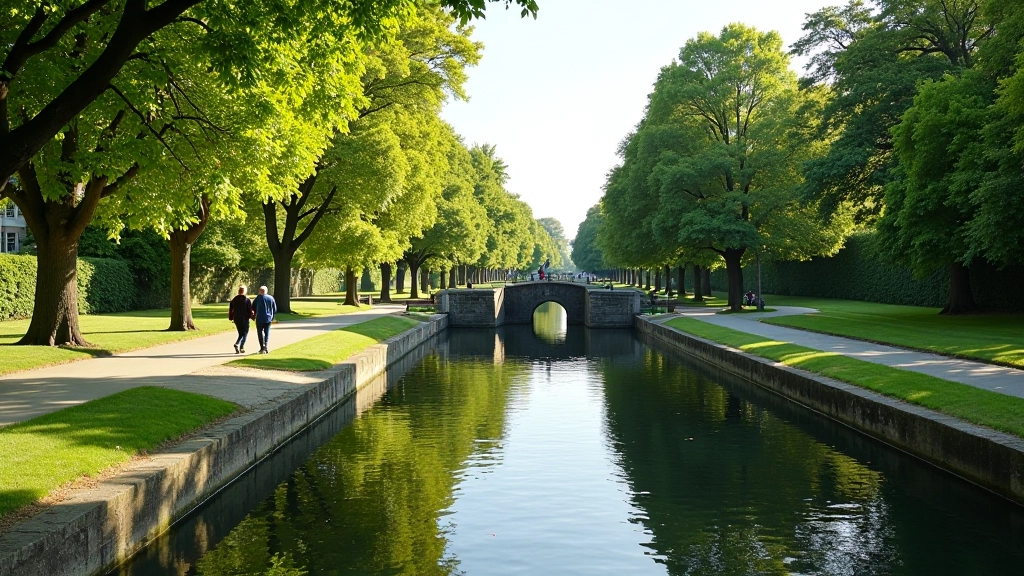
The Grand Canal isn't just a tourist spot — it's one of Ireland's best-kept walking secrets for anyone over 55. The towpath is flat, well-maintained, and peaceful most days. You're walking alongside water, which means the landscape never gets monotonous. Plus, there's something genuinely restorative about canal-side walking that you don't get on regular roads.
What makes it special for seniors? There's no elevation gain. The path is mostly tarmac and packed stone — no scrambling over rocks or steep climbs. You'll find benches, pubs, and cafés scattered along the way. And it's 56 kilometres, but you don't have to walk the whole thing. You can pick your section and go at whatever pace works for you.

The Four Best Sections for Half-Day Walks
Rather than describe the whole 56 kilometres, we've picked out four sections that work perfectly for a comfortable 2-3 hour outing. Each has different character, good facilities, and realistic start/end points.
Dublin City Centre Loop (4.2 km)
Start at the Baggot Street Bridge and walk to Portobello. This is the most urban stretch, with cafés, restaurants, and the Grand Canal Theatre nearby. You're never far from facilities. Perfect if you want a short walk with plenty of distractions.
Portobello to Rathmines (3.8 km)
Quieter than the city section but still well-serviced. You'll pass the Portobello Gardens — lovely spot to rest. The path widens here, and there's less foot traffic. Good middle ground between urban and rural.
Harold's Cross to Rathgar (5.1 km)
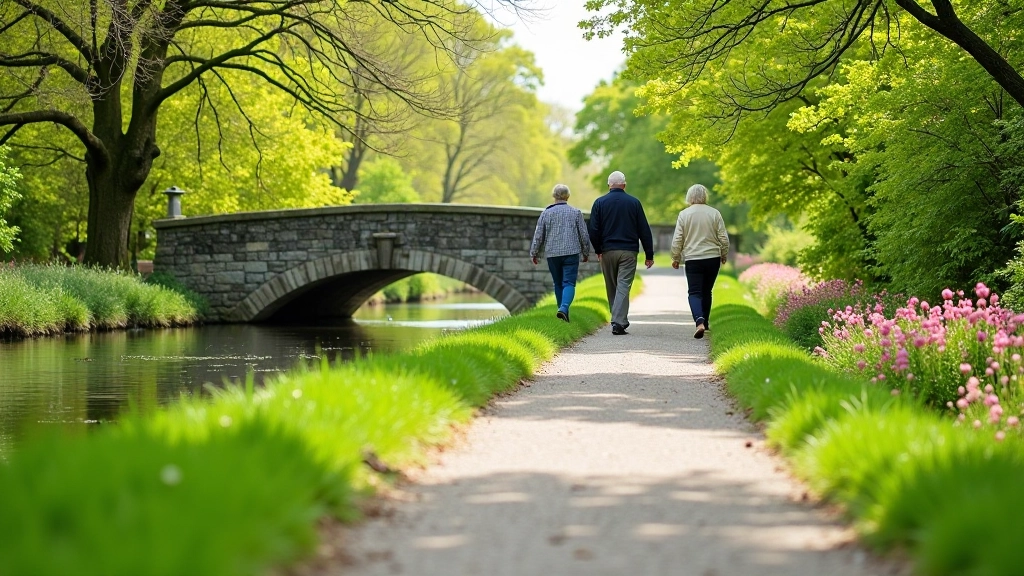
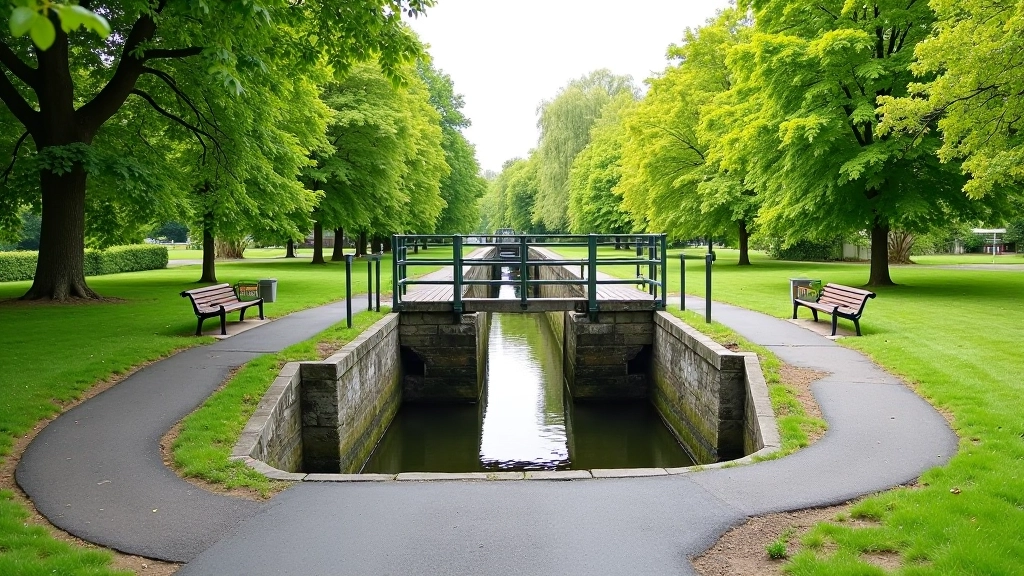
More peaceful still. You're away from the city bustle but the path remains smooth and accessible. Several small bridges and lock gates to explore. The trees arch over the water here — lovely in autumn.
Rathgar to Terenure (4.9 km)
This is where it starts feeling like you've left the city. The canal broadens, and there's actual countryside. Birdwatching gets interesting here. A few gentle inclines but nothing steep — just enough to keep you engaged.
What Makes It Accessible for Seniors
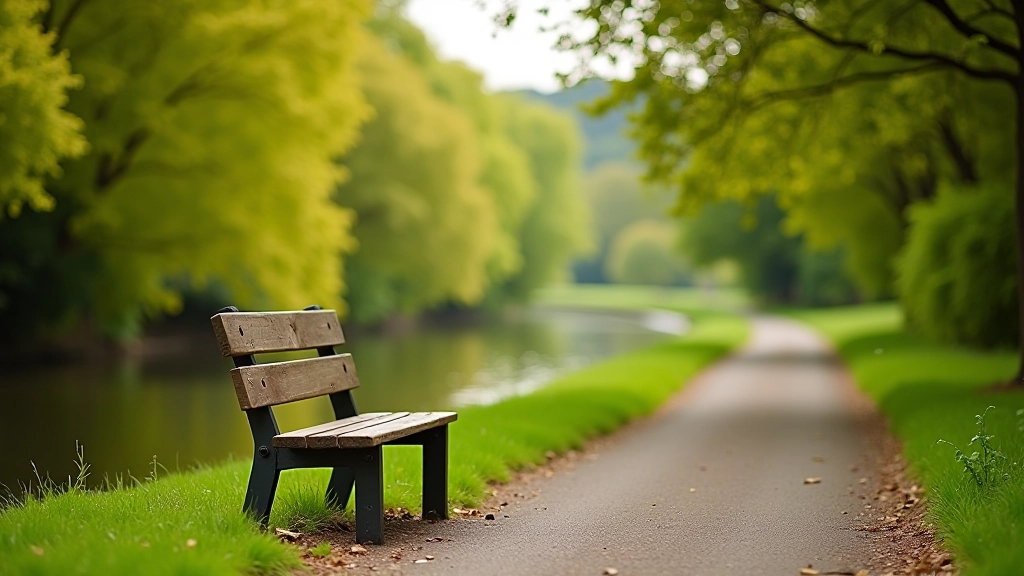
Accessibility isn't just about wheelchair access — though the Grand Canal does well there too. It's about realistic walking conditions. No steep inclines. No loose gravel. No sudden obstacles. The towpath is wide enough for two people side by side, so if you're walking with a friend or a carer, there's space.
Practical Tips for Your Visit
Start Early, Finish Early
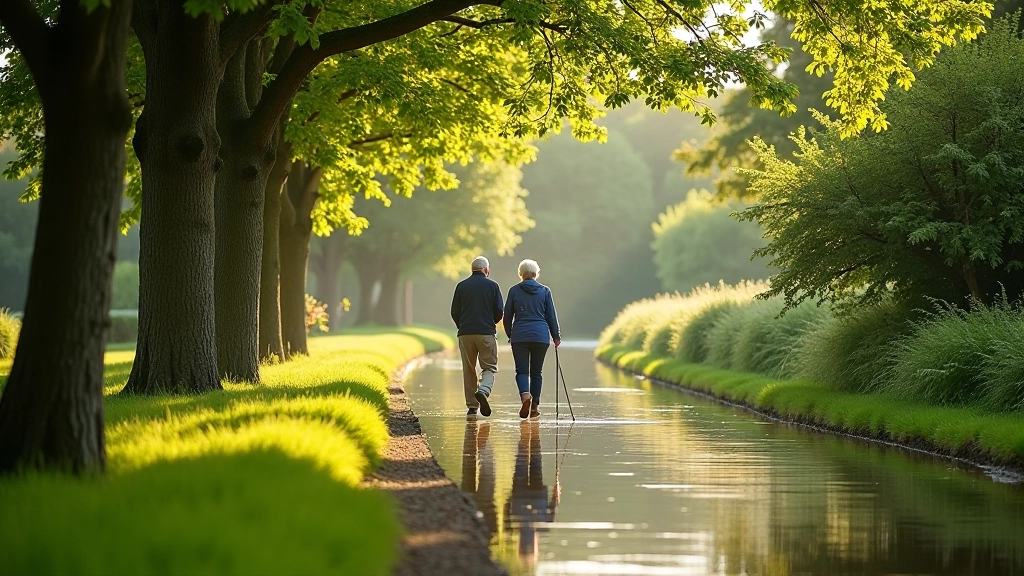
The canal is quietest between 8 and 10 a.m. You'll have space to walk at your own pace, and the morning light is lovely on the water. It's also cooler if you're walking in summer.
Bring Water — Not Just Coffee
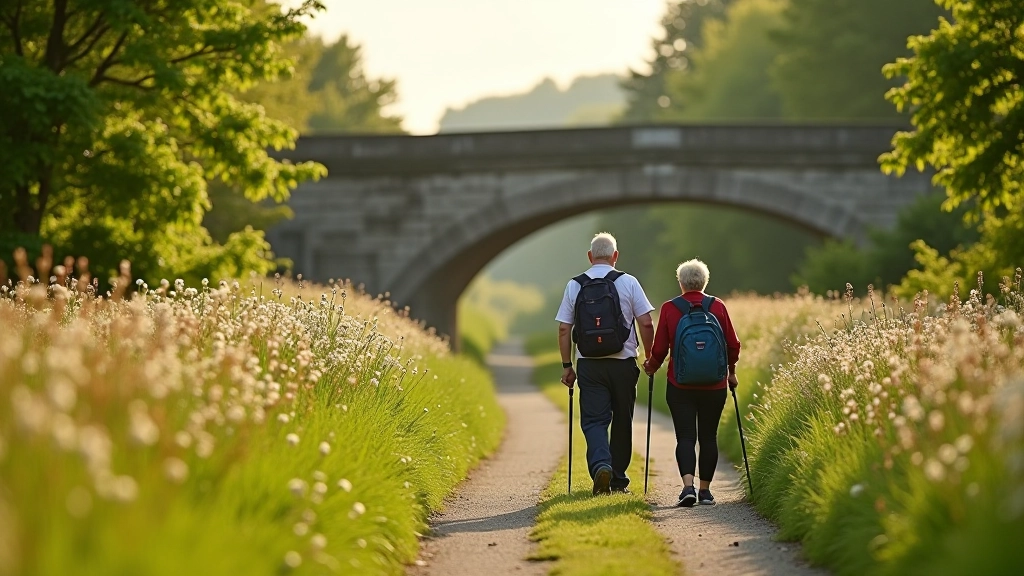
Yes, there's a café every kilometre or so, but carrying water keeps you hydrated throughout. A small backpack with a water bottle, maybe a banana or cereal bar, and you're sorted for hours.
Wear Proper Walking Shoes
Even though the surface is smooth, good footwear makes the difference. Look for shoes with cushioning and ankle support. Waterproof is helpful — the path can be damp even on dry days near the water.
Plan Around Weather
There's no shelter on much of the path, so avoid walking in heavy rain or strong wind. Spring and early autumn are ideal — the path is busy enough with other walkers, but not crowded.
Making the Most of Your Walk
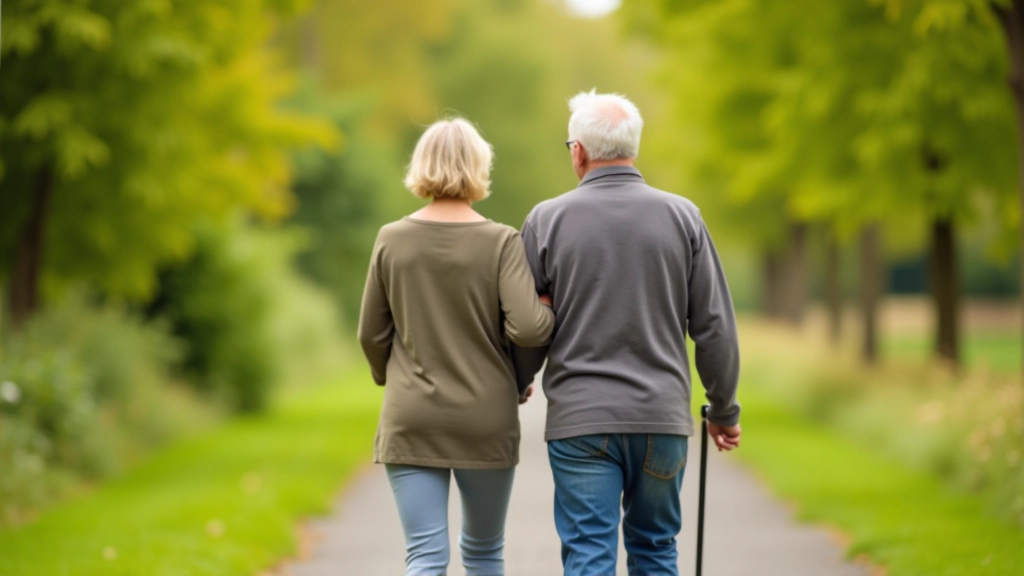
The Grand Canal Way isn't a challenging hike or a tourist checkbox. It's a genuinely pleasant way to spend a few hours walking, talking, and noticing things — swans, reflections, the way light hits old stone. You're walking on a path that's been there for nearly 200 years, and that sense of history is part of the appeal.
Pick your section, set your pace, and don't worry about covering distance. Some of the best moments happen when you sit on a bench halfway through and just watch the water. That's not laziness — that's exactly what canal walking is about.
Disclaimer: This guide is informational and intended to help you plan your visit to the Grand Canal Way. Walking conditions, facilities, and accessibility features may change. We recommend checking current local resources and weather conditions before your visit. If you have mobility concerns or health conditions, consult with your healthcare provider before undertaking any walking activities. Always tell someone where you're going and when you expect to return.